

We know that when it comes to sustainability,
it’s an infinite game

12 across
Environment
12 across
Environment
12 across
Environment
12 across
Environment
12 across
Environment
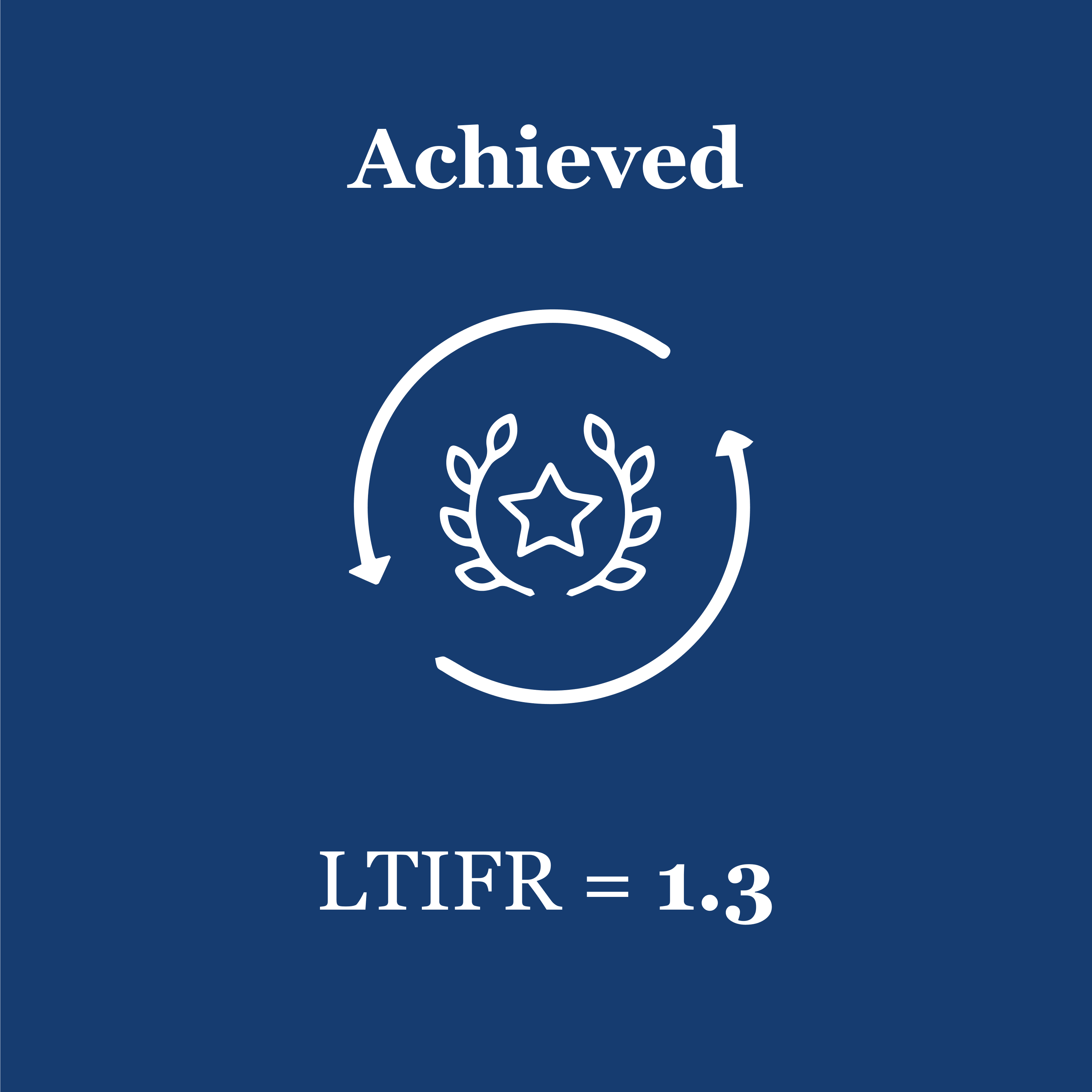
In 2025, our Lost Time Injury Frequency Rate (LTIFR) was 1.3
The Health and Safety Department at Woodlands Dairy, comprising six dedicated professionals, made significant progress in 2025. We successfully reduced our combined Lost Time Frequency Rate to 1.3, recording only five disabling injuries. While the total number of injuries remained consistent with previous years, the severity of incidents decreased considerably, resulting in fewer WCA claims.


IN 2025 WE ASSISTED 18 CSI PROJECTS IN THE AREA.
At Woodlands Dairy, sustainability goes beyond caring for the environment; it is also about building stronger, healthier and more resilient communities. Through our Corporate Social Investment (CSI) programme, we support initiatives in education, health, early childhood development, feeding schemes and community upliftment. In 2025, Woodlands Dairy partnered with 18 projects across the Kouga region, helping communities access nutritious meals, quality early education and essential health and social services.


Our GHG emissions ratio increased by 11.6% from the previous year.
In 2025, slightly higher electricity use, combined with reduced recycling of fugitive gas, resulted in an 11.6% increase in carbon emissions compared with 2024. Woodlands Dairy remains committed to reducing its environmental impact, with future carbon-saving initiatives planned to support progress towards our GHG reduction targets. Our Greenhouse Gas (GHG) footprint currently stands at 98 grams of CO2e per litre of milk.

Energy management targets and achievements for 2025.
Woodlands Dairy uses a mix of energy sources, including electricity, diesel, biomass, heavy fuel oil (HFO), biogas and fugitive gases. In 2025, 69% of our energy consumption was sourced from renewable sources, including biomass, biogas and solar. Each energy source is monitored against a target based on the ratio between energy use and milk intake. These targets are reviewed annually to reflect changes in operations and expected milk intake. Lower biomass consumption was achieved due to drier product received, which improved efficiency. The targets and achievements for 2025 are reflected in the table below.

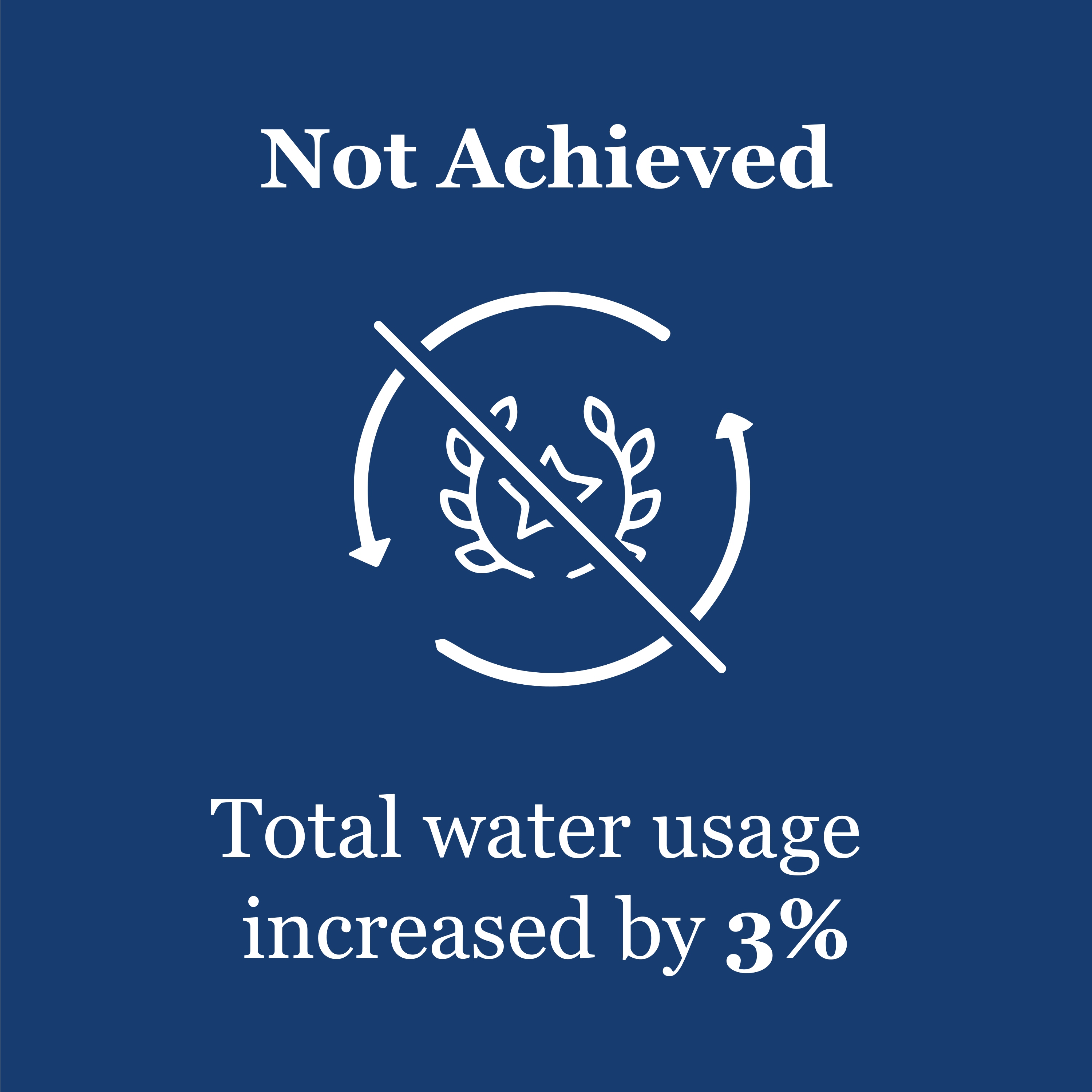
Total water usage increased by 3%
In 2025, Woodlands Dairy recorded a year-on-year increase in total water consumption of 3%. The installation of the new Reverse Osmosis (RO) plant contributed to higher overall water use, while ongoing efficiency measures continue to support responsible water management.

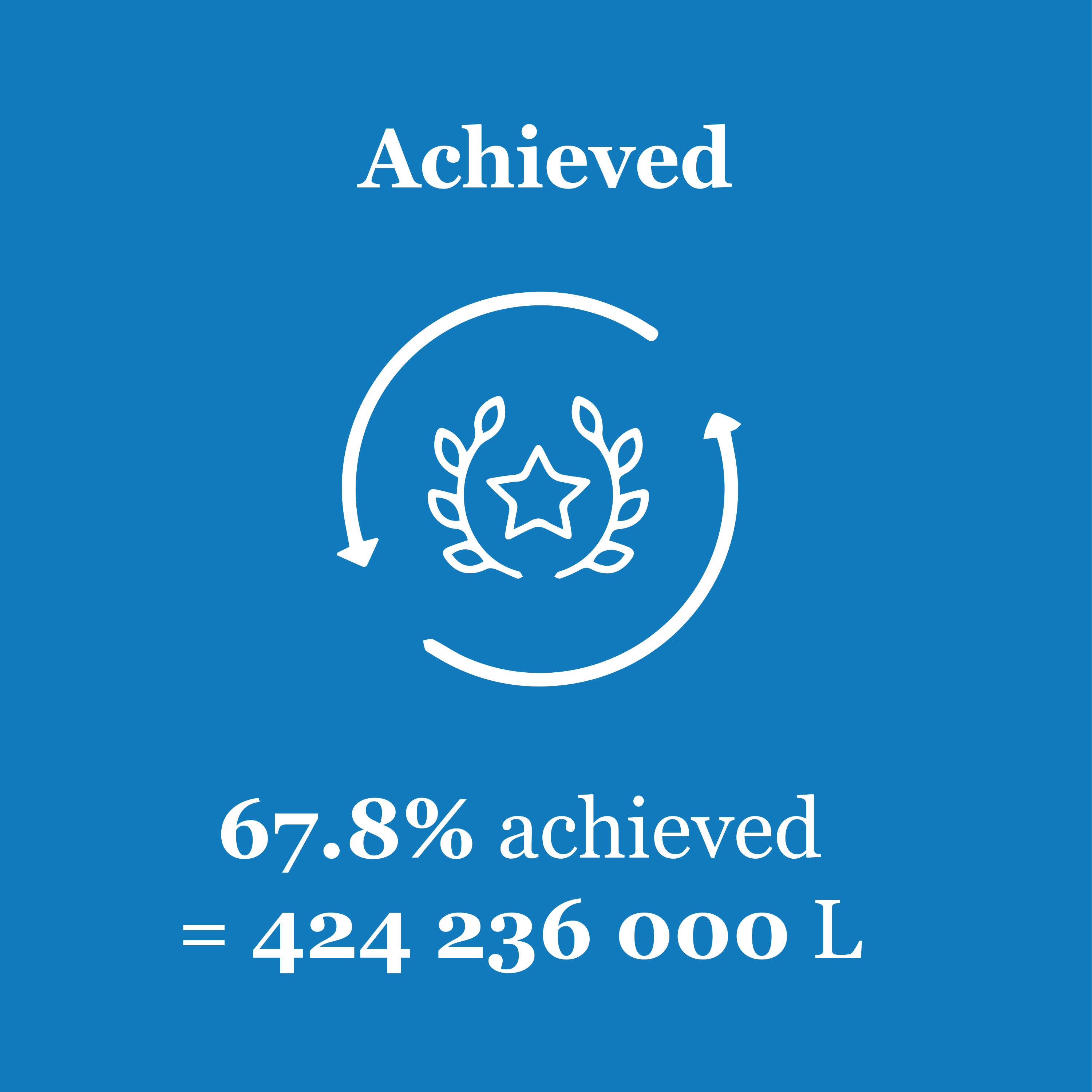
PROCESS OF EFFLUENT WATER THROUGH RRP (RESOURCE RECOVERY PLANT)
In 2025, 67.85% more water was sent to the Resource Recovery Plant (RRP), representing a strong improvement following scheduled maintenance activities in 2024. A total of 424 236 000 litres of effluent water were processed through the RRP.

RECOVER WATER FROM RRP (RESOURCE RECOVERY PLANT)
50% of operations water was sourced from the RRP, equal to 291 459 000 litres.
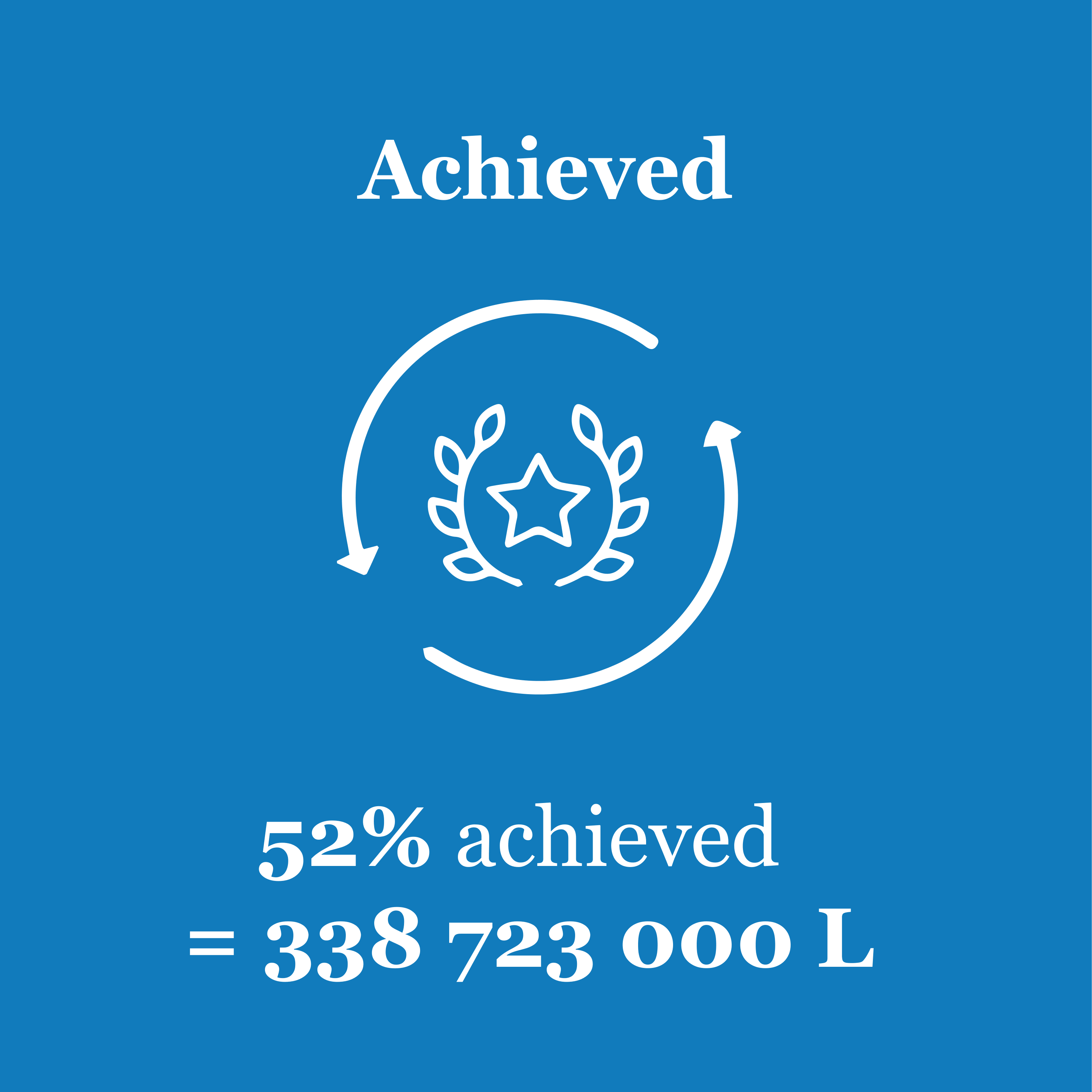
RECYCLED WATER AS A PERCENTAGE OF TOTAL OPERATIONS WATER.
52% of total water was sourced from recycled water, including RRP and recovered water, equal to 338 723 000 litres.
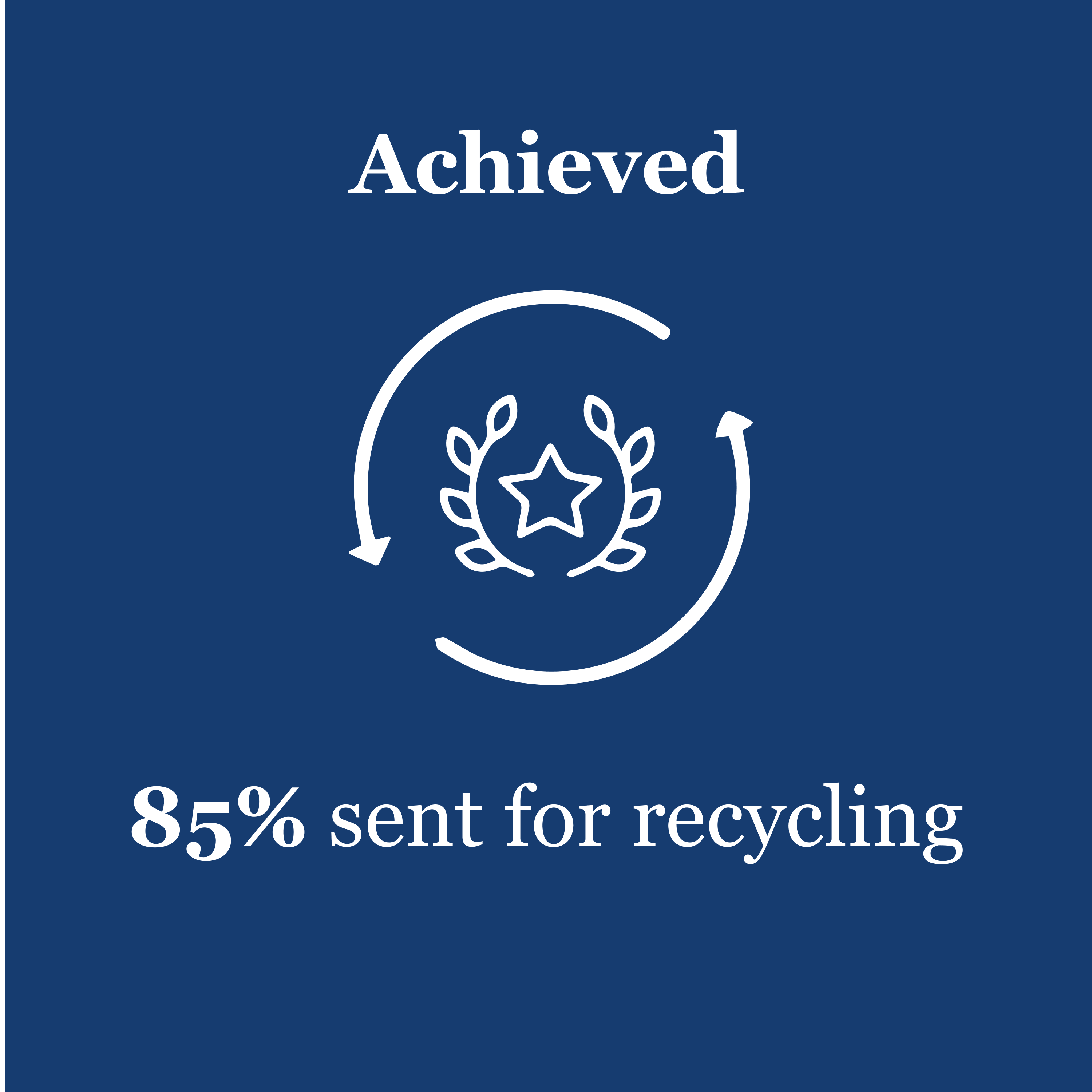
85% of waste was sent for recycling, 2% sent for responsible disposal, while 13% was sent to landfill.
In 2025, Woodlands Dairy continued to strengthen its waste management practices by diverting waste from landfill through on-site sorting and recycling initiatives. Waste is separated at source to support more effective recycling, reduce contamination in recyclable waste streams and improve overall waste- management performance. Although the recycling percentage decreased from the previous year, we saw an overall decrease in total waste produced. Challenges experienced with unrecyclable products provide opportunities for improvement.


ZERO BIO WASTE TO LANDFILL
100% of bio-waste was responsibly recycled or disposed of.
NO E-WASTE SENT TO LANDFILL
100% of e-waste was recycled.


Woodlands Dairy contributes to the realisation of the UN’s Sustainable Development Goals (SDGs)
At Woodlands Dairy, we are committed to making a positive impact on the world. By contributing to the UN's Sustainable Development Goals, we are actively working towards creating a better future for all. From reducing our carbon footprint to promoting sustainable farming practices, we strive to make a meaningful difference in our community and beyond. Join us in our mission to build a more sustainable world.
1 Across
Carbon Footprint
Follow us


© Copyright 2023 - Woodlands Dairy. All rights reserved.